Home / Industries / Manufacturing Change Management for Plant Teams
Manufacturing Change Management
Align Your People. Strengthen Operations. Sustain Change.
When leaders and employees are aligned around operational priorities, manufacturers can execute change more consistently and reinforce the behaviors that keep improvements moving forward.
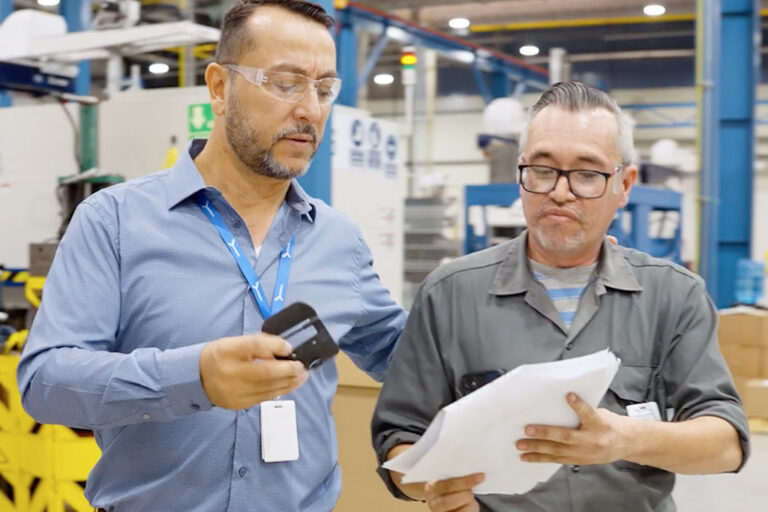
Manufacturers are under constant pressure to improve productivity, adopt new technologies, strengthen safety performance and retain skilled workers. But even the best strategies can fall short when employees aren’t aligned around the changes required to make them successful. Whether you’re implementing lean initiatives, advancing digital transformation, improving safety culture or launching process improvements, successful change management depends on employees understanding, adopting and sustaining new ways of working.
Culture Partners helps manufacturers create alignment across the organization, from leadership teams to the plant floor. By connecting culture with operational goals and priorities, we help teams adopt change, improve collaboration and sustain better ways of working.
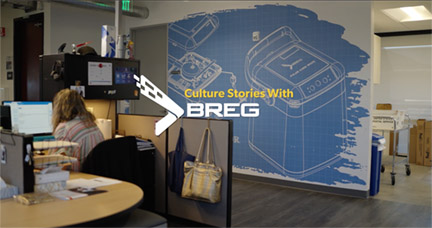
Breg: A Client Story
At Breg, culture is more than words on a wall—it’s the shared playbook that empowers teams to collaborate, elevate performance, and focus on outcomes that matter.
What You Get From Our Manufacturing Change Management Consulting
A Culture Assessment That Identifies Operational Barriers
Understand the beliefs, behaviors and workplace dynamics affecting communication, accountability, safety, continuous improvement and operational performance across your manufacturing environment. Identify where change needs to begin and where it can have the greatest impact.
Leaders Who Drive Accountability on the Plant Floor
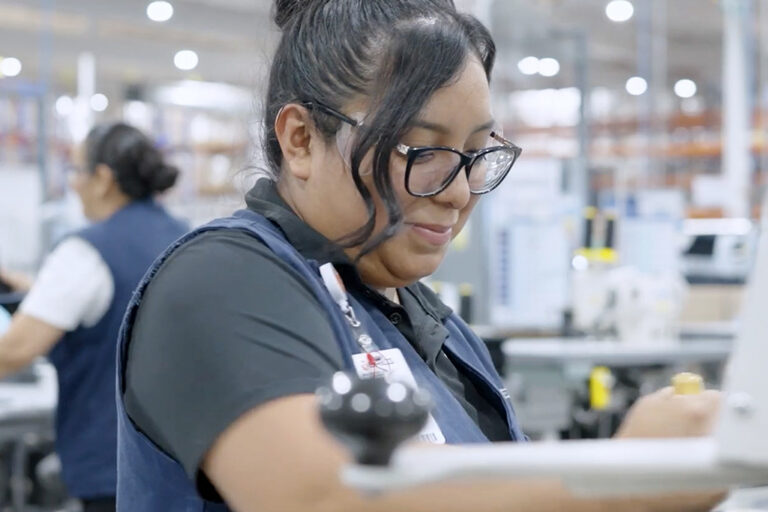
Equip manufacturing managers to create clarity, reinforce expectations and build accountability. When leaders model the right behaviors, employees are more likely to take ownership and contribute to better results.
Better Employee Engagement Across Every Level
Create stronger alignment between employees, supervisors and leadership teams. When employees understand shared goals, feel heard and see how their work contributes to results, engagement becomes part of everyday manufacturing operations.
Greater Adoption of Operational Change
Improve the success of lean initiatives, digital transformations, new production systems and organizational changes with a structured change management process that prepares employees to adopt new technologies and ways of working.
Change That Becomes Part of Daily Operations
Build the leadership habits, accountability practices and communication routines needed to sustain improvement and make continuous change part of how your manufacturing teams operate.
Case Study
How Culture Partners Helped Revitalize Ford Motors’ IT Division
For more than three decades, Culture Partners has helped manufacturers navigate growth, transformation and organizational change. We understand the challenges manufacturers face, from workforce engagement and leadership development to operational improvement initiatives that depend on employee adoption and accountability.
Work Directly With Senior Advisors
You’ll work directly with senior advisors who understand how organizational alignment influences operational performance. We partner with your leadership teams to translate change priorities into actions that leaders can reinforce across the organization and sustain on the plant floor.
Connect Culture to Operational Performance
Unlike traditional manufacturing consulting firms that focus on processes or technology, Culture Partners helps manufacturers address the human side of operational performance. By connecting culture to how work happens on the plant floor, we help manufacturers create lasting improvements rather than short-term gains that fade after rollout.
About Culture Partners
Culture Partners, formerly Partners in Leadership, was founded in 1989 by the authors of The Oz Principle and Change the Culture, Change the Game. In 37 years, we’ve worked with tens of thousands of senior executives and leadership teams like you. They knew something had to shift internally, but they didn’t know how to get there strategically and stay aligned on results. With our innovative solutions for business leaders, we bridge that gap.
Set Up Your Manufacturing Change Management Consultation
Sign up for a free 30-minute consultation with a cultural consultant to discuss your business goals and learn how Culture Partners will drive results by activating your culture.
Ford’s culture transformation has positioned us to deliver faster, better solutions and maximize our achievement in the automotive world.”
Rekha Wunnava, Director of Global Manufacturing IT
Manufacturing change management is the process of preparing manufacturing managers and employees to successfully adopt organizational, operational or technological changes. A strong manufacturing change management process provides a structured approach to help teams understand what is changing, why it matters, and how new ways of working will be sustained.
Whether you’re implementing lean initiatives, introducing new production systems or manufacturing processes, improving safety practices or rolling out digital transformation projects, effective change management helps ensure employees embrace change and contribute to lasting improvements.
Manufacturing culture improvement consulting focuses on strengthening the beliefs, behaviors and leadership practices that influence how teams respond to change. By aligning workplace culture with business objectives, manufacturers can improve employee engagement, increase adoption and achieve better safety, productivity and operational results.
Why is change management important for manufacturing companies?
The manufacturing industry is constantly adapting to new technologies, changing customer demands, workforce challenges and continuous improvement initiatives. Without effective change management, even well-planned investments in areas such as lean manufacturing, automation, ERP systems, or safety programs can struggle to gain employee adoption and deliver the expected results.
Change management helps leaders create alignment, build accountability and prepare employees for new ways of working. By reinforcing the behaviors needed to support operational change, manufacturing organizations can improve safety, strengthen employee engagement, reduce resistance to change and increase the likelihood that strategic initiatives deliver lasting business results.
What are the best practices for manufacturing change management?
Successful manufacturing change management starts with strong leadership alignment and clear communication about why the change is happening. Leaders should connect every initiative to measurable business goals, involve employees early in the process and equip frontline supervisors to reinforce new behaviors on the plant floor.
It’s also important to create accountability, gather employee feedback throughout the rollout and make change part of daily operations rather than treating it as a one-time initiative. Manufacturers that focus on leadership, employee engagement and continuous reinforcement are more likely to achieve lasting improvements in safety, productivity and operational performance.
What should be avoided during manufacturing change management?
Manufacturers should avoid treating change management as a one-time training event or a communication exercise. Change efforts are less likely to succeed when leaders fail to explain why the change matters, frontline supervisors aren’t equipped to reinforce new behaviors, or employees aren’t given opportunities to provide feedback.
During change management in manufacturing, it’s also important to avoid implementing new processes or technologies without preparing people to adopt them. When leadership, communication and accountability are overlooked, resistance increases, adoption slows, and operational improvements can be difficult to sustain.