
When Microsoft’s Satya Nadella transformed the company’s culture from a competitive “know-it-all” environment to a collaborative “learn-it-all” mindset, he didn’t rely on strategy alone—he revolutionized how leaders communicated during change. His approach demonstrates a fundamental truth: successful organizational transformation depends as much on how leaders communicate as what they decide to change.
The stakes couldn’t be higher. Research consistently shows that over 70% of large-scale change initiatives fail to achieve their objectives, with communication breakdowns and inadequate leadership engagement ranking as the primary culprits. Organizations that master communication and leadership during change, however, position themselves for remarkable success, often outperforming their peers by significant margins.
This comprehensive guide explores the essential intersection of communication and leadership during organizational transformation. You’ll discover proven frameworks for building trust, practical strategies for addressing resistance, and measurable approaches to ensure your change efforts deliver lasting results.

The Critical Role of Communication in Change Leadership
Communication serves as the foundation for successful organizational transformation, with research from McKinsey revealing that organizations with effective change communication are 3.5 times more likely to outperform their peers. This isn’t merely about sending more emails or holding additional meetings—it’s about creating a strategic communication framework that addresses the fundamental human needs during periods of uncertainty.
The change process inherently creates anxiety among team members, who instinctively ask, “What’s in it for me?” Effective leaders understand that this question isn’t selfish—it’s human nature. When senior leaders fail to address this concern through clear, transparent communication, they inadvertently fuel resistance and skepticism throughout the organization.
Strategic communication builds trust, aligns stakeholders, and creates shared understanding of the change vision and objectives. It transforms abstract strategic initiatives into concrete, relatable outcomes that employees can visualize and support. Without this foundation, even the most well-designed change management strategies crumble under the weight of confusion and resistance.
Leaders must master transparent, timely, and targeted messaging to reduce employee uncertainty during change initiatives. This requires moving beyond traditional top-down announcements to embrace multi-directional communication that encourages dialogue, addresses concerns, and incorporates feedback into the evolving change plan.
The business case for investing in communication during change is compelling. Organizations with excellent sponsorship and communication see change adoption rates above 80%, compared to less than 30% when these factors rate poorly. This dramatic difference in success rates underscores why effective communication isn’t optional—it’s essential for achieving desired outcomes.
Essential Leadership Communication Skills for Change Management
Successful change leadership demands a specific set of communication competencies that extend far beyond traditional management skills. These capabilities enable leaders to navigate the complex human dynamics that emerge during organizational transformation while maintaining momentum toward strategic objectives.
Active listening stands as perhaps the most critical skill for change leaders. This involves genuinely understanding employee concerns, fears, and feedback during the transformation process. Leaders who excel at active listening create psychological safety, encouraging honest dialogue about potential challenges and opportunities for improvement. They ask probing questions, summarize what they’ve heard, and demonstrate that employee input influences decision making.
Storytelling abilities enable leaders to create compelling narratives that connect the current state to the desired future vision. Effective change stories explain why transformation is necessary, paint a vivid picture of the organization’s future, and help employees see their role in achieving that vision. These narratives provide emotional context that purely analytical presentations cannot deliver, making change feel personal and meaningful rather than imposed from above.

Emotional intelligence allows leaders to recognize and address the human impact of change on team morale and productivity. This skill involves reading emotional cues, acknowledging the psychological journey employees experience, and adapting communication approaches based on individual and group needs. Leaders with high emotional intelligence validate concerns while maintaining optimism about the path forward.
Multi-channel communication mastery ensures messages reach all stakeholders through their preferred communication methods. This includes face-to-face meetings for sensitive discussions, digital platforms for widespread information sharing, town halls for organization-wide updates, and one-on-one conversations for personalized support. Effective leaders understand that different audiences require different communication approaches and channels.
Clarity and conciseness in messaging prevent confusion and information overload during critical change phases. Leaders must distill complex strategic concepts into understandable, actionable communications that employees can easily digest and act upon. This involves eliminating jargon, using concrete examples, and structuring messages with clear next steps.
Adaptability enables leaders to adjust their communication style based on different stakeholder groups, departments, and organizational levels. A successful change leader communicates differently with senior executives than with frontline employees, recognizing that each audience has distinct concerns, information needs, and preferred communication styles.
Building Trust Through Transparent Leadership Communication
Trust forms the cornerstone of successful change leadership, and transparency in communication serves as the primary vehicle for building and maintaining that trust. When leaders embrace honest, open communication practices, they create an environment where employees feel informed, valued, and committed to the change effort.
Honest acknowledgment of challenges, uncertainties, and potential negative impacts builds credibility with employees. Rather than presenting an overly optimistic view of change, effective leaders discuss both opportunities and obstacles. This balanced approach demonstrates authenticity and helps employees prepare for realistic scenarios. When leaders admit they don’t have all the answers, they invite collaboration and shared problem-solving.
Regular updates on change progress, milestones achieved, and obstacles encountered maintain transparency throughout the transformation journey. These communications should include both successes and setbacks, providing a realistic picture of the change trajectory. Employees appreciate knowing where the organization stands, what’s working well, and what adjustments are being made along the way.
Open-door policies and feedback channels encourage two-way communication and employee input during transitions. This might include suggestion boxes, regular pulse surveys, focus groups, or informal coffee chats with leadership. The key is creating multiple avenues for employees to share their thoughts, concerns, and ideas without fear of retribution.
Consistent messaging across all leadership levels prevents confusion and maintains organizational alignment. When different leaders communicate conflicting information about the change initiative, trust erodes quickly. Establishing clear communication protocols and ensuring all leaders understand and deliver the same core messages is essential for maintaining credibility.

Admitting mistakes and course corrections demonstrates authentic leadership and builds long-term trust. When leaders acknowledge missteps and explain how they plan to address them, they model the learning mindset they want to see throughout the organization. This vulnerability actually strengthens rather than weakens leadership credibility.
Sharing the “why” behind decisions helps employees understand the strategic rationale for change initiatives. Employees are more likely to support changes when they understand the business reasons, external factors, and long-term goals driving the transformation. This context helps people move beyond resistance to engagement.
Strategic Communication Planning for Organizational Change
Effective change communication requires systematic planning that aligns messaging with the overall change management strategy. Without a structured approach, even well-intentioned communication efforts can become fragmented, confusing, or counterproductive.
Stakeholder mapping identifies key audiences, their concerns, preferred communication channels, and influence levels within the organization. This analysis helps leaders understand who needs what information when, and how different groups can best receive and process change-related communications. Key stakeholders might include senior executives, middle managers, frontline employees, union representatives, customers, and board members.
Timing-based communication roadmaps align messaging with change phases and critical milestones. Different stages of the change process require different types of communication. Early phases focus on creating awareness and urgency, middle phases emphasize skill development and support, and later phases celebrate wins and reinforce new behaviors. The communication plan should map specific messages to these phases.
Message customization ensures different employee groups receive information tailored to their roles, impact levels, and information needs. A successful change leader doesn’t send the same message to everyone. Instead, they craft targeted communications that address specific concerns and interests of different audiences while maintaining overall consistency in the core message.
Integration of communication plans with overall change management strategy ensures that messaging supports rather than conflicts with other change activities. Communication shouldn’t be an afterthought—it should be woven throughout every aspect of the change initiative, from training programs to performance management systems.
Risk assessment anticipates communication challenges and prepares contingency messaging strategies. Leaders should identify potential communication pitfalls, such as rumors, resistance from influential employees, or external criticism, and develop response plans. This proactive approach prevents minor communication issues from becoming major obstacles.
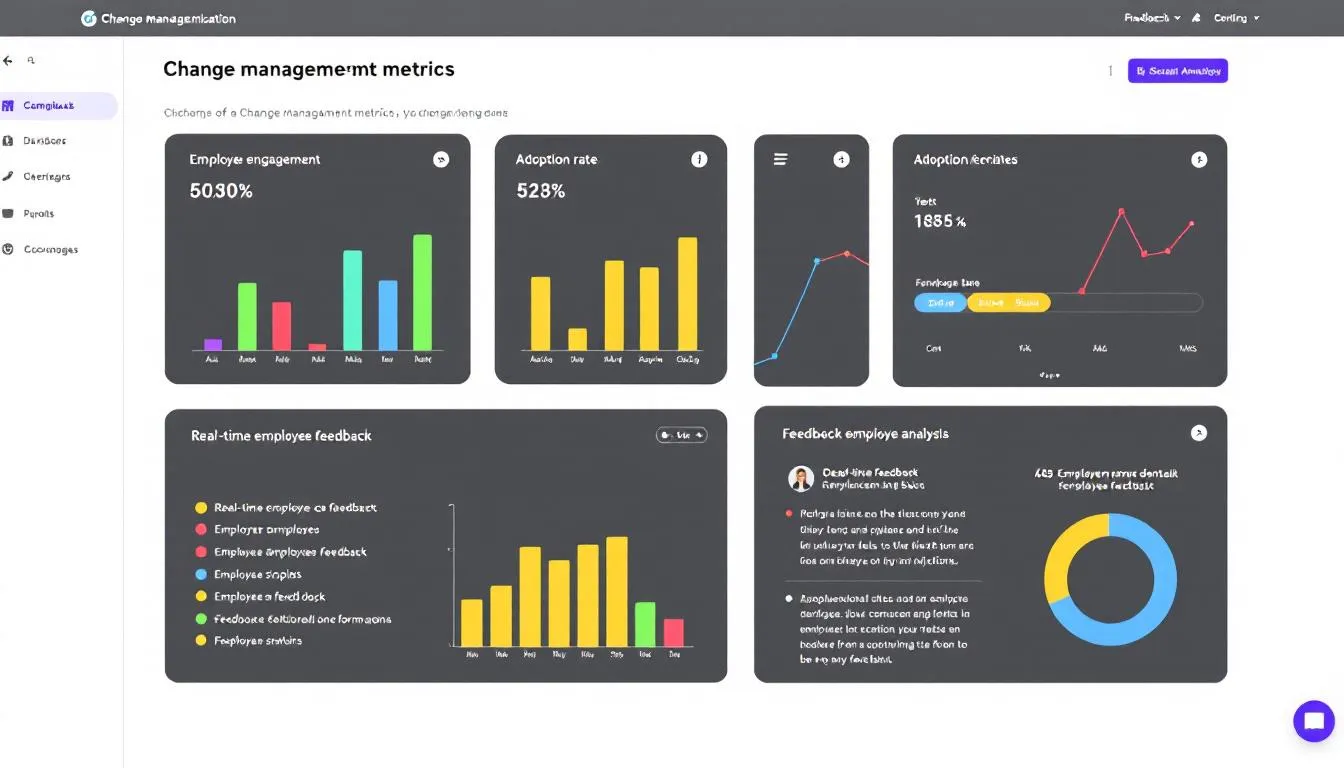
Success metrics definition includes employee engagement scores, message recall rates, and behavior adoption indicators. Like any business initiative, change communication should be measurable. Leaders need clear metrics to assess whether their communication efforts are achieving intended outcomes and where adjustments might be necessary.
Creating Effective Change Communication Channels
Town hall meetings provide forums for organization-wide announcements and Q&A sessions with senior leadership. These gatherings create opportunities for transparent dialogue and allow employees to hear directly from top leaders about the change initiative. Effective town halls include structured presentations followed by open question-and-answer periods.
Department-specific briefings led by direct supervisors address team-specific concerns and impacts. These smaller, more intimate sessions allow for detailed discussions about how changes will affect particular roles, processes, or objectives. Supervisors can provide context that generic company-wide communications cannot deliver.
Digital platforms including intranets, email campaigns, and collaboration tools enable ongoing updates and resource sharing. These channels provide convenient access to change-related information and allow employees to revisit important details as needed. Interactive features like comment sections or discussion forums can facilitate peer-to-peer communication about the change.
Feedback mechanisms such as surveys, suggestion boxes, and focus groups gather employee input throughout the change process. These tools demonstrate that leadership values employee perspectives and provide valuable insights for adjusting the change approach. Regular feedback collection helps identify emerging concerns before they become significant problems.
Change champion networks amplify messages and provide peer-to-peer support throughout the organization. These influential employees serve as communication bridges between leadership and their colleagues, helping to address questions, dispel rumors, and maintain enthusiasm for the change effort.
Leading People Through Change: The Human Side of Communication
The human dimension of organizational change demands communication approaches that acknowledge the emotional journey employees experience during transformation. Successful change leaders recognize that people need time to process, adapt, and ultimately embrace new ways of working.
Empathy-driven messaging acknowledges the emotional challenges inherent in organizational transitions. This involves recognizing feelings of loss, uncertainty, and stress that naturally arise when familiar processes, relationships, or roles change. Leaders who validate these emotions while maintaining optimism about the future create space for healthy processing of change-related stress.
Support resource communication includes information about training opportunities, counseling services, and career development programs available during the transition. Employees need to know they’re not navigating change alone and that the organization is investing in their success. Clear communication about available support demonstrates commitment to employee wellbeing and professional growth.
Recognition and celebration of early adopters and change champions encourage broader organizational buy-in. When leaders publicly acknowledge employees who embrace new behaviors or achieve early wins, they create positive role models and reinforce desired behaviors. This recognition can take many forms, from informal shout-outs to formal awards programs.
Addressing change fatigue involves spacing initiatives appropriately and providing recovery time between major transformations. Many organizations struggle with continuous change, and employees can become exhausted from constant adaptation. Effective leaders communicate realistic timelines and provide breathing room between significant changes when possible.
Individual communication approaches for high-impact stakeholders require personalized attention and support. Key employees, influential team members, and those most affected by change may need one-on-one conversations to address specific concerns and ensure their continued engagement. These personal touchpoints demonstrate that leadership values individual contributions and concerns.
Cultural sensitivity in messaging ensures change communication respects organizational values and employee diversity. Different cultural backgrounds, generational perspectives, and personal circumstances influence how people receive and interpret change messages. Inclusive communication approaches acknowledge these differences and adapt messaging accordingly.
Communication Challenges and Solutions in Change Leadership
Even well-planned change communication efforts encounter obstacles that can derail transformation initiatives. Understanding common challenges and proven solutions enables leaders to navigate these difficulties effectively and maintain progress toward their goals.
Information overload represents one of the most frequent communication challenges during change. When leaders attempt to share too much information too quickly, employees become overwhelmed and may tune out important messages. The solution involves prioritizing essential messages and using progressive disclosure to share details gradually as employees need them. Leaders should focus on core concepts first, then layer in additional details as understanding develops.
Resistance management requires addressing concerns directly through targeted communication and involving skeptics in solution development. Rather than dismissing resistance as obstinacy, effective leaders treat it as valuable feedback about potential implementation challenges. They engage resistant employees in dialogue, understand their concerns, and when possible, incorporate their insights into refined change approaches.
Message consistency becomes challenging in large organizations where multiple leaders communicate about change. Establishing communication protocols and training all leaders on key messages and talking points ensures everyone delivers consistent information. This might involve regular leader briefings, message templates, or communication guidelines that maintain alignment while allowing for audience-appropriate customization.

Remote and hybrid workforce challenges require leveraging technology to ensure equitable information access across all work arrangements. Leaders must adapt their communication strategies to reach employees who work from home, travel frequently, or operate in different time zones. This might involve recorded video messages, virtual town halls, or asynchronous communication platforms that accommodate diverse work patterns.
Multilingual communication needs in diverse organizations require providing translations and culturally appropriate messaging for different employee populations. This goes beyond simple translation to include cultural adaptation of messages, examples, and communication styles that resonate with different backgrounds and perspectives.
Rumor control demands establishing rapid response systems to address misinformation and maintain factual communication. In the absence of clear, timely information, employees create their own explanations for what’s happening. Leaders need mechanisms to quickly identify and correct false information while providing accurate updates about change progress and decisions.
Measuring Communication Effectiveness During Change
Measuring the effectiveness of change communication enables leaders to assess progress, identify areas for improvement, and demonstrate the value of their communication investments. Without clear metrics, it’s impossible to know whether communication efforts are achieving their intended outcomes.
Employee engagement surveys track understanding, commitment, and emotional response to change initiatives. These assessments can measure how well employees understand the change rationale, their confidence in leadership, and their willingness to support the transformation. Regular pulse surveys throughout the change process provide ongoing insights into employee sentiment and communication effectiveness.
Communication reach and frequency metrics include email open rates, meeting attendance, and platform usage statistics. These basic metrics help leaders understand whether their messages are reaching intended audiences and which communication channels are most effective. However, reach alone doesn’t guarantee impact, so these metrics should be combined with deeper engagement measures.
Feedback quality analysis assesses the depth and usefulness of employee input and questions received through various communication channels. When employees ask thoughtful questions or provide detailed feedback, it indicates they’re engaging with the change communication. The nature and quality of feedback can reveal gaps in understanding or areas where additional communication is needed.
Behavior change indicators demonstrate actual adoption of new processes, systems, or organizational practices. Ultimately, the goal of change communication is to influence behavior, so measuring actual behavior change provides the most meaningful assessment of communication effectiveness. This might include adoption rates for new technologies, participation in new processes, or demonstration of new competencies.
Leadership communication assessments evaluate manager effectiveness in delivering change messages throughout the organization. Since middle managers often serve as the primary communication link between senior leadership and frontline employees, their communication skills significantly impact overall change success. Regular assessment and coaching of manager communication capabilities can improve overall effectiveness.
Post-change retrospectives identify communication successes and areas for improvement in future initiatives. After completing a change initiative, teams should conduct thorough reviews of what communication approaches worked well and what could be improved. These insights inform communication planning for subsequent change efforts and help build organizational change communication capabilities over time.
The measurement of communication effectiveness should be an ongoing process rather than a one-time assessment. Regular monitoring allows leaders to make real-time adjustments to their communication approach, address emerging issues, and maintain momentum throughout the change process.
Successful measurement requires establishing baseline metrics before beginning the change initiative, tracking progress regularly throughout the process, and conducting comprehensive assessments after completion. This approach provides a complete picture of communication effectiveness and creates valuable data for future change initiatives.
Organizations that invest in measuring communication effectiveness during change typically see better outcomes and build stronger change management capabilities over time. The insights gained from systematic measurement enable continuous improvement in communication approaches and contribute to higher success rates in future transformation efforts.
Mastering communication and leadership during change isn’t just about implementing best practices—it’s about developing the organizational capability to thrive in an environment of constant transformation. The leaders and organizations that excel in this area don’t just survive change; they leverage it as a competitive advantage.
The frameworks, strategies, and measurement approaches outlined in this guide provide a comprehensive foundation for leading successful organizational transformation. However, the key to success lies in consistent application, continuous learning, and adaptation based on your organization’s unique culture and circumstances.
Start implementing these communication strategies in your next change initiative. Begin with stakeholder mapping and communication planning, focus on building trust through transparency, and establish metrics to track your progress. Remember that effective change communication is both an art and a science—it requires analytical rigor combined with emotional intelligence and authentic leadership.
The investment you make in developing these communication and leadership capabilities will pay dividends not only in your current change initiatives but in your organization’s long-term ability to adapt, innovate, and succeed in an ever-evolving business environment.